




It started with a clear idea in a meeting room in Phoenix.
The Cleveland Browns wanted to get more physical, more direct, and a little more old school on offense.
That vision took a hit when Patrick Ricard signed with the New York Giants, leaving Cleveland without the player they saw as a perfect fit for their new system.
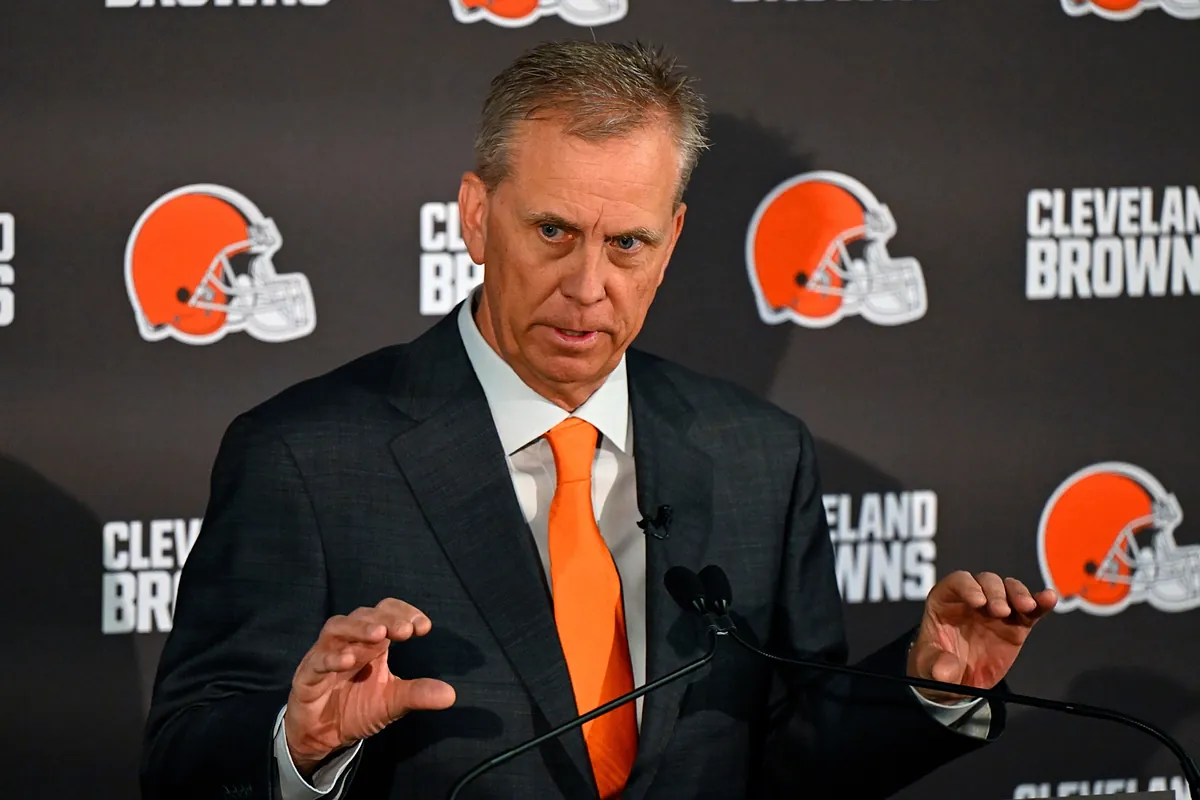
New head coach Todd Monken did not hide what he was looking for. During the league meetings, he openly talked about bringing a fullback back into the offense, something the Browns have not truly committed to since the 2020 and 2021 seasons.
It was not just a preference. It was part of a broader shift in identity.
According to Mary Kay Cabot, the team made a real attempt to land Ricard in free agency. Monken knew exactly what he was getting. A player who had already thrived in his system and who brings a rare mix of size, strength, and awareness.
A missed fit that felt almost obvious
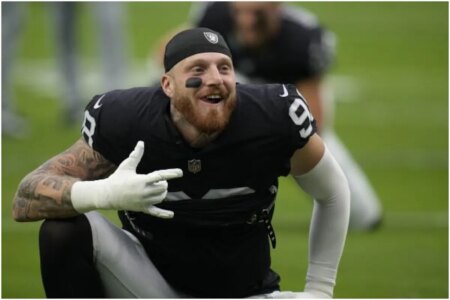
Ricard ultimately chose familiarity, reuniting with John Harbaugh rather than stepping into something new in Cleveland.
That decision matters more than it might seem at first glance. Ricard is not just filling a role. He has helped redefine it. A six-time Pro Bowler and first-team All-Pro, he has shown that a fullback can still shape an offense in today’s NFL.
Monken even described him as “a unicorn”, a word that carries weight in a league that has largely moved away from traditional fullbacks.
For the Browns, the timing is not ideal. Last season, they leaned heavily on multiple tight end sets, using them on over 50 percent of their offensive plays. That approach worked in stretches, but it also revealed limitations. There are things a true fullback can do that a tight end simply cannot replicate.
Where Cleveland looks now
With Ricard off the market, the options become less certain.
Veteran Michael Burton has been mentioned as a possibility, offering experience but not the same level of impact. Players like Ben VanSumeren bring versatility, though they are still developing into defined roles.
The draft is not overflowing with answers either. Prospects such as Max Bredeson, Riley Nowakowski, and Jackson Acker are expected to be late-round picks or undrafted additions. That says a lot about how rare the position has become.
Some teams have adapted differently. The San Francisco 49ers, led by Kyle Shanahan, continue to show the value of a versatile fullback through Kyle Juszczyk. Cleveland could explore a similar path by reshaping one of its tight ends into a hybrid role.
Pressure builds around the run game
All of this ties back to the Browns’ backfield.
Quinshon Judkins is working his way back from a dislocated ankle and fractured fibula, and his efficiency dipped late last season. Over his final stretch, he only surpassed 4.0 yards per carry once in 10 games.
Monken’s system is designed to improve those numbers. A reliable lead blocker would make that job easier. Without one, the offense may need to lean more on adjustments, timing, and execution.

The offseason still has time to unfold. Cleveland will continue exploring free agency, the draft, and internal options as they build toward 2026.
For now, the direction is clear. The missing piece is not.
Sources: This article is based on reported statements from team officials and coverage by Mary Kay Cabot, along with publicly available NFL data and historical usage trends. External comparisons reference league-wide player roles and verified career achievements.
Read the full article here