



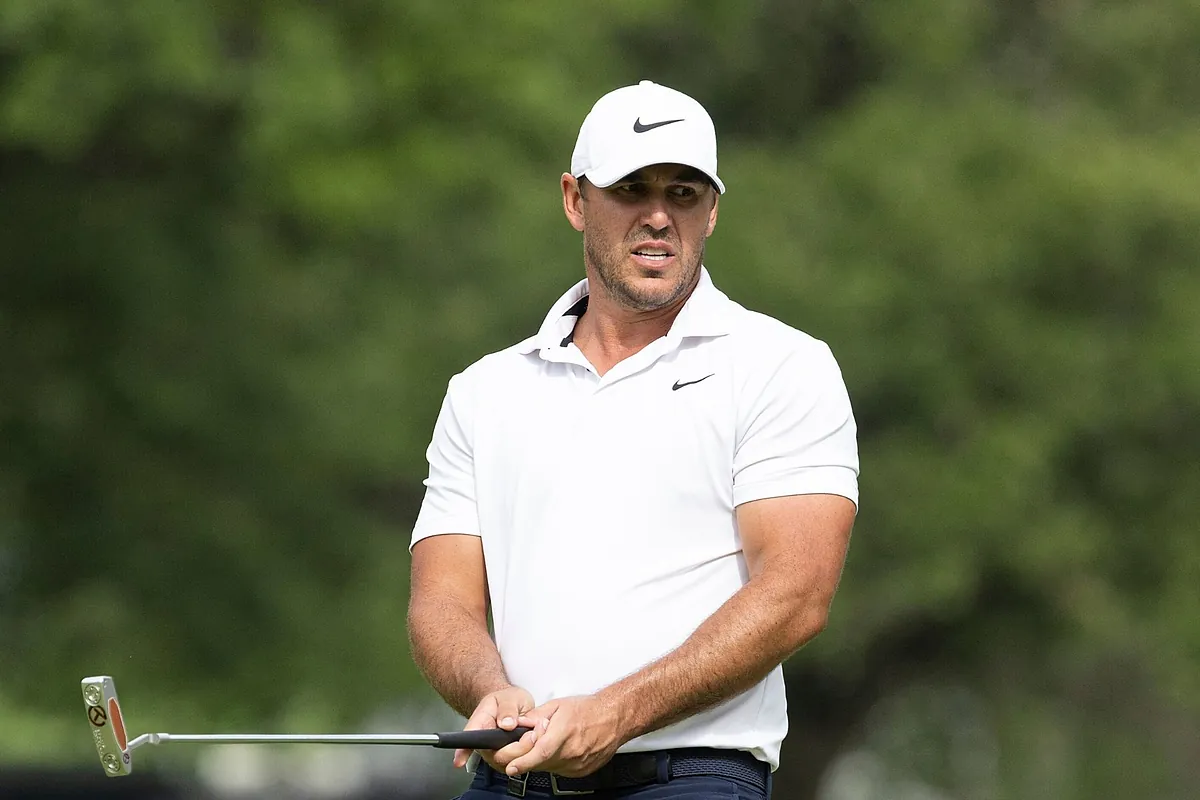
Brooks Koepka‘s decision to leave the Saudi-backed LIV Golf League and return to the PGA Tour has sent shockwaves throughout professional golf, not just because of the stature of the player involved, but due to the heavy price he’s willingly paid to make it happen.
The five-time major champion, who parted ways with LIV Golf in December despite still having time left on his contract, is the first high-profile player to seize a new route back to the PGA Tour under a one-time reinstatement framework.
Although his LIV contract still had a year remaining, the 33-year-old opted to walk away and pursue reinstatement on the PGA Tour. For months, industry observers assumed that such a move would come with a lengthy suspension.
Instead, the Tour introduced a new pathway that appears designed to bring elite talent back into the fold without reopening past hostilities.
Koepka framed his return as both personal and professional, emphasizing where his priorities now sit.
“I want to thank my family and my team for their continued support throughout every step of my professional career. When I was a child, I always dreamed about competing on the PGA Tour.”
The emotional element continued as Koepka addressed the lifestyle factors behind his decision.
“I am just as excited today to announce that I am returning to the PGA Tour. Being closer to home and spending more time with my family makes this opportunity especially meaningful to me.”
PGA Tour’s new policy reshapes the LIV conversation
The PGA Tour has made clear that Koepka‘s return does not come without consequences, even if it avoids the suspension many anticipated. Commissioner Brian Rolapp outlined how the newly created Returning Member Program works and why it exists.
“Designed to provide an alternative path back to PGA Tour competition for past members who have achieved the highest accomplishments in the game, the Returning Member Program mandates heavy and appropriate limitations to both tournament access and potential earnings that we believe properly holds returning members accountable for substantial compensation earned elsewhere.”
Rolapp also detailed the financial and competitive penalties involved, which include forfeited equity and restricted access.
“Its strict limitations, which Brooks has agreed to, include a five-year forfeiture of potential equity in the PGA Tour‘s player equity program, representing one of the largest financial repercussions in professional sports history.”
Koepka acknowledged those repercussions directly, signaling acceptance rather than resistance.
“I believe in where the PGA Tour is headed with new leadership, new investors, and an equity program that gives players a meaningful ownership stake. I also understand there are financial penalties associated with this decision, and I accept those.”
The Tour‘s leadership emphasized that this framework is not meant to open the floodgates indefinitely.
“This is a one-time, defined window and does not set a precedent for future situations. Once the door closes, there is no promise that this path will be available again.”
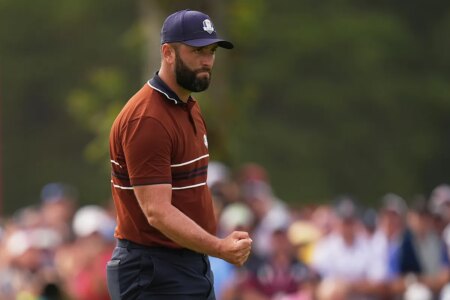
Still, Koepka‘s reinstatement has inevitably reignited speculation around other LIV stars. Players such as Jon Rahm, Bryson DeChambeau, and Cameron Smith all meet the performance criteria outlined by the Tour, and Koepka‘s return may test how firm those February deadlines truly remain.
Koepka, meanwhile, remains focused on the immediate future and reconnecting with fans who followed his career long before the LIV divide.
“Finally, I want to thank the fans. Your support means more to me today than ever before, and I look forward to seeing you soon at the Farmers Insurance Open and WM Phoenix Open.”
Whether this moment marks the beginning of broader reconciliation or simply a unique exception, Koepka‘s return represents one of the most significant turning points in professional golf since the sport fractured.
Read the full article here