





The New York Mets did not land Kyle Tucker. Once the star outfielder chose the Los Angeles Dodgers, the Mets had to redirect their plans quickly. They did not wait long. Their response came in the form of Bo Bichette, a move that reshaped the offseason conversation and immediately reignited expectations around the franchise.
This was not a quiet pivot. It was a statement. The Mets are coming off a painful collapse, missing the postseason by a single game, and patience was never going to be part of the strategy this winter. The front office wanted proven talent and immediate impact, even if it meant navigating positional questions later.
Bichette arrives with both opportunity and uncertainty. The plan is for him to slide into third base, joining an infield that already features Francisco Lindor, Marcus Semien, and Jorge Polanco. It is a bold alignment, especially given Bichette’s past shoulder issues, and one that leaves Brett Baty, Ronny Mauricio, and Mark Vientos in a holding pattern.
Bo Bichette’s deal: A contract that puts history into focus
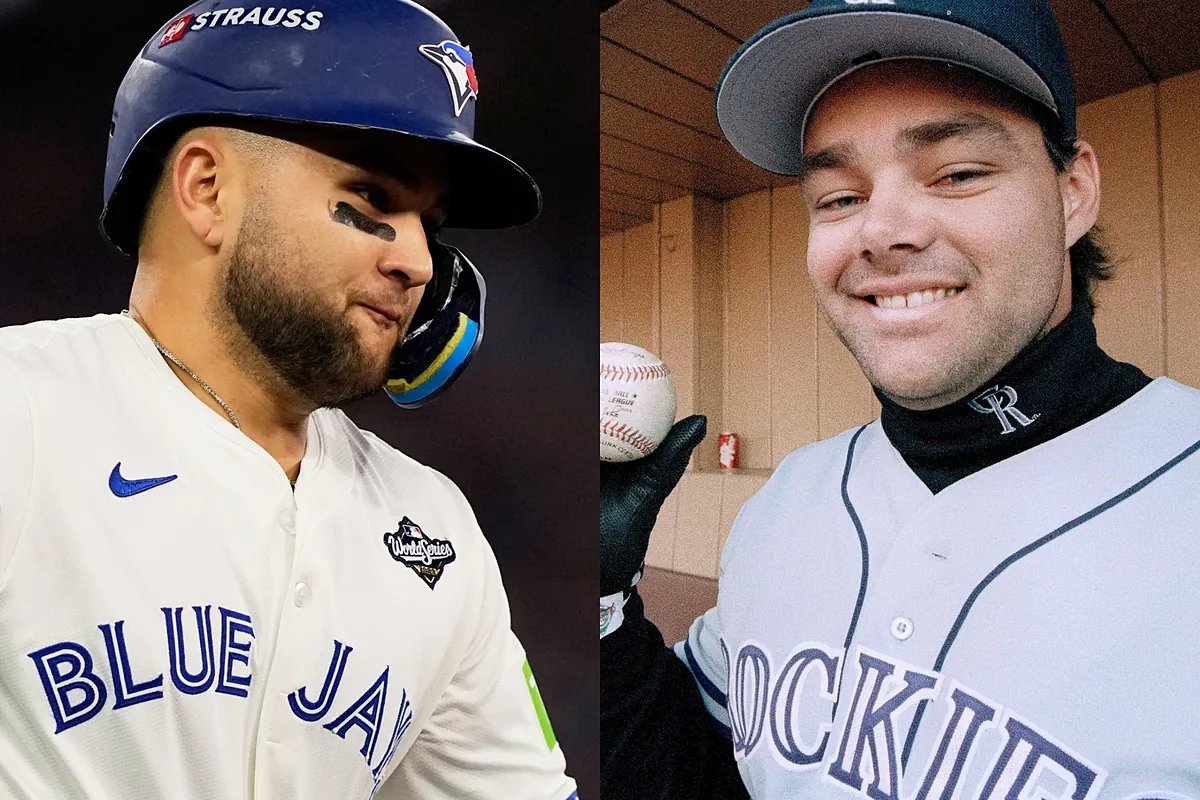
What truly makes this signing remarkable goes beyond lineup construction. Bichette is set to earn $42 million in the 2026 season alone. According to salary databases, that figure nearly matches the entire career earnings of his father, Dante Bichette, who made approximately $42.8 million over 14 seasons in Major League Baseball.
Dante Bichette was a four-time All-Star and one of the defining hitters of the 1990s. Yet even at his peak, he never earned more than just over $7 million in a single season. His highest salaries came in his final two years with the Boston Red Sox, making exactly $7 million in both 2000 and 2001. Bo’s single-year salary now nearly eclipses that entire body of work.
The comparison is not a knock on either player. It is a snapshot of how dramatically baseball’s financial landscape has shifted, especially for elite infield talent in today’s market.
For the Mets, the expectation is clear. With Semien, Polanco, and Bichette added, the lineup projects as one of the strongest in the National League, trailing only the Los Angeles Dodgers on paper. That does not guarantee anything, but it raises the floor significantly.
There is still work to do. Starting pitching remains a need if the Mets want to stand up to contenders like Philadelphia, Chicago, and San Diego. Spring Training begins next month, and the sense around the league is that New York may not be finished. This move was about more than filling a roster spot. It was about resetting the trajectory.
Read the full article here