





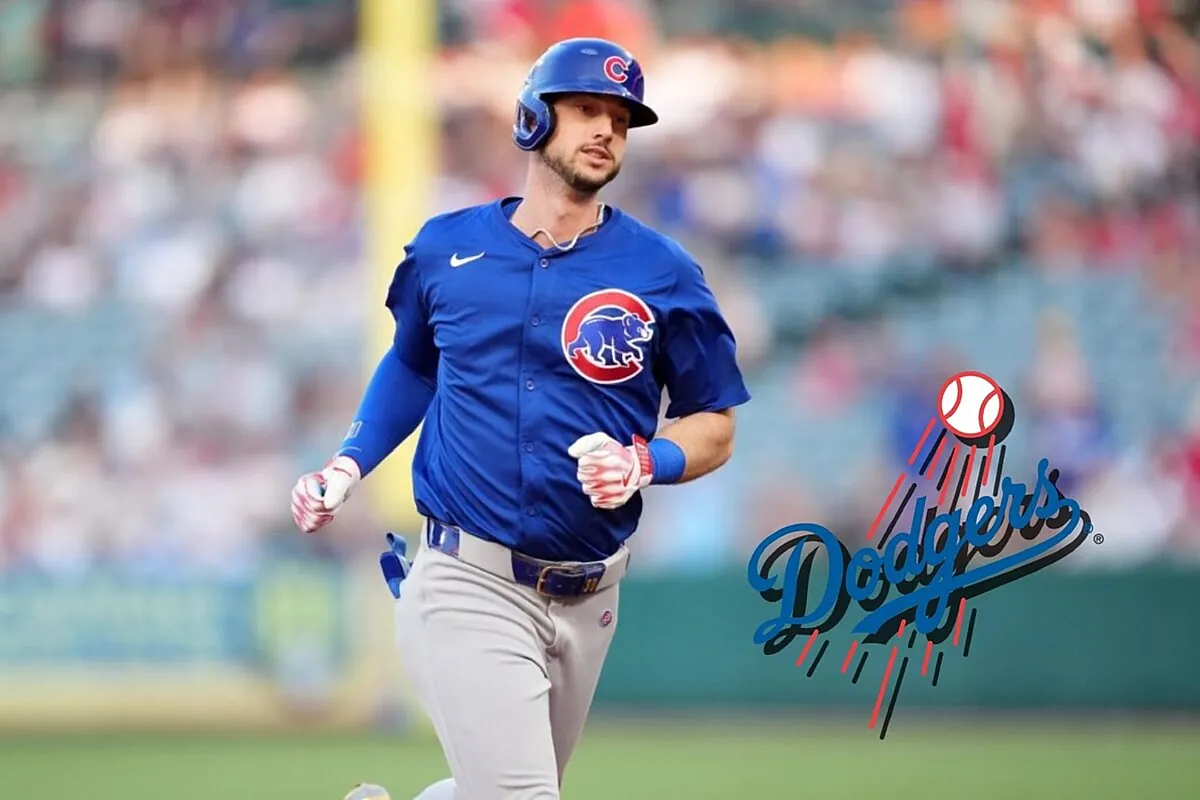
Kyle Tucker‘s signing with the Los Angeles Dodgers not only impacted the Chicago Cubs, but shook the entire MLB. The four-year, $240 million contract, with an average annual value of $60 million, redefined the market for elite hitters in short-term deals and confirmed Los Angeles’ economic and strategic power in free agency.
Although the Cubs do not feel directly harmed, their management played a key role in Tucker ending up dressed in blue. By not securing an extension while they still had contractual control over the player, Chicago opened the door for the Dodgers to take advantage of an opportunity that seemed unthinkable for the rest of the league.
Craig Counsell and Tucker’s sports management
One of the main culprits is Craig Counsell, who decided to bench Tucker midway through the season in what he called a “mental reset”. While the outfielder had an MVP-caliber first half, his performance dropped off after the All-Star Game and a left calf injury sidelined him during September.
That slump directly influenced his market value. Tucker finished the season with 4.4 WAR, a solid figure, but far from the standard that had led him to seek a contract close to $400 million. In retrospect, Counsell’s decision seems to have affected a player who prioritizes continuity and confidence even in times of difficulty.
Jed Hoyer and the lack of a timely extension
Responsibility also falls on Jed Hoyer, the Cubs’ president of baseball operations. When they acquired Tucker, the organization chose not to pressure him to sign an extension, trusting that a full season at Wrigley Field would convince him to stay. The strategy failed.Chicago never made a concrete offer while they had negotiating leverage. When free agency came around, the Cubs went silent and let the market move without them. Tucker was the star of the team, but was never treated as a contractual priority.
Tom Ricketts and the Cubs’ economic gamble
The Ricketts family has invested millions in transforming Wrigleyville into a commercial hub, but the on-field impact has not always lived up to expectations. Although the team’s payroll will be close to the luxury tax, the Cubs decided to go with Alex Bregman as their centerpiece rather than retaining Tucker.
While Bregman brings defense and experience, Tucker is younger and has a higher offensive ceiling. Chicago took the risk of paying Bregman until he is 37 years old, while letting go of an elite hitter in his prime.
Why the Dodgers were able to sign him
The Dodgers, led by Andrew Friedman and Dave Roberts, took advantage of a market without aggressive offers. No team matched the annual value Tucker was asking for, not even Toronto. Los Angeles closed the deal without resorting massively to deferred money, a worrying sign for the rest of baseball.
The lack of competitive offers for one of the best hitters on the market sends a clear warning: when teams hesitate, the Dodgers do not forgive.
Read the full article here